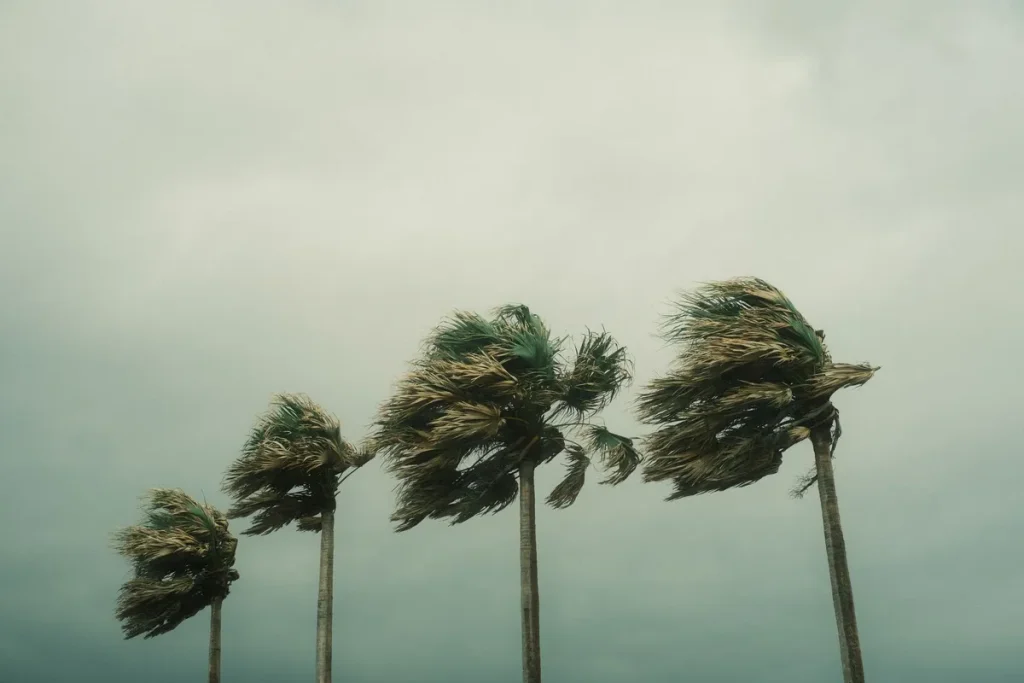
Hurricane season in South Florida runs from June through November. Most preparation focuses on shutters, generators and supplies, but your plumbing matters too. Heavy rain can overwhelm drains and sewer lines, power outages stop pumps, and storm damage can break water lines. A little preparation before the season starts helps your home handle the weather and recover faster.
Here is a practical checklist for Hialeah homeowners.
1. Know where your main shut-off valve is
Find the main water shut-off valve, usually near the meter or where the line enters the house, and make sure it turns easily. If a pipe breaks during a storm, closing this valve quickly limits the damage. If the valve is stiff or leaks, have it replaced before you need it.
2. Test your sump or drainage pump
If your home or business has a sump or drainage pump, pour water into the pit and make sure the pump turns on, empties it and shuts off. Check that the discharge line is clear and points away from the house. A pump that fails during heavy rain can leave water standing for days. If your pump is old, or you have no backup for power outages, look at a pump installation with battery backup before the storms arrive.
3. Clear slow drains now
A drain that is slow on a normal day will back up when the ground is soaked and the sewer system is under load. Clear slow kitchen, bath and laundry drains before the season. If several drains are slow, the main line may need attention, and our drain cleaning service can clear it.
4. Check the sewer line and cleanout
Locate your sewer cleanout, usually a capped pipe in the yard or near the house. Make sure the cap is in place and not cracked, so storm water does not flow into your sewer line. If you have had backups before, a camera inspection can show roots or damage that could cause trouble in a storm.
5. Look after your water heater
Know how to shut off power or gas to your water heater. If floodwater reaches the heater, do not use it until a plumber has checked it, because water can damage the controls and the burner or elements. Flushing the tank before the season keeps it running well.
6. Store clean water
Before a storm, fill clean containers with drinking water. Some people also fill a bathtub to use for flushing toilets if the water supply is interrupted. Keep in mind that local officials may issue boil-water notices after a storm, so follow their guidance.
7. Protect outdoor plumbing
Secure or bring in hoses, and check that outdoor faucets and irrigation backflow devices are not loose. Flying debris can break exposed pipes and fittings.
8. After the storm
- Check for water stains, damp floors or running water sounds that could mean a broken line
- Watch the water meter with everything off to check for hidden leaks
- Do not use plumbing fixtures if sewage is backing up, and call a plumber
- Have the water heater checked if it was in contact with floodwater
- Take photos of any damage for your insurance claim
A short pre-season checklist
- Main shut-off valve found and working
- Sump or drainage pump tested, backup considered
- Slow drains cleared
- Sewer cleanout cap in place
- Water heater shut-off known and tank flushed
- Drinking water containers ready
Getting your plumbing ready takes an afternoon, and it can save a lot of trouble later. Want a hand before the season? Contact Hialeah FL Plumber, your plumber in Hialeah, FL, and we will check the parts of your system that matter most in a storm.